NEWS & ANALYSIS

What matters
for cleaning validation.

Selected inspection findings and source briefings, with a clear connection to practical questions.

Dates refer to the original sources.

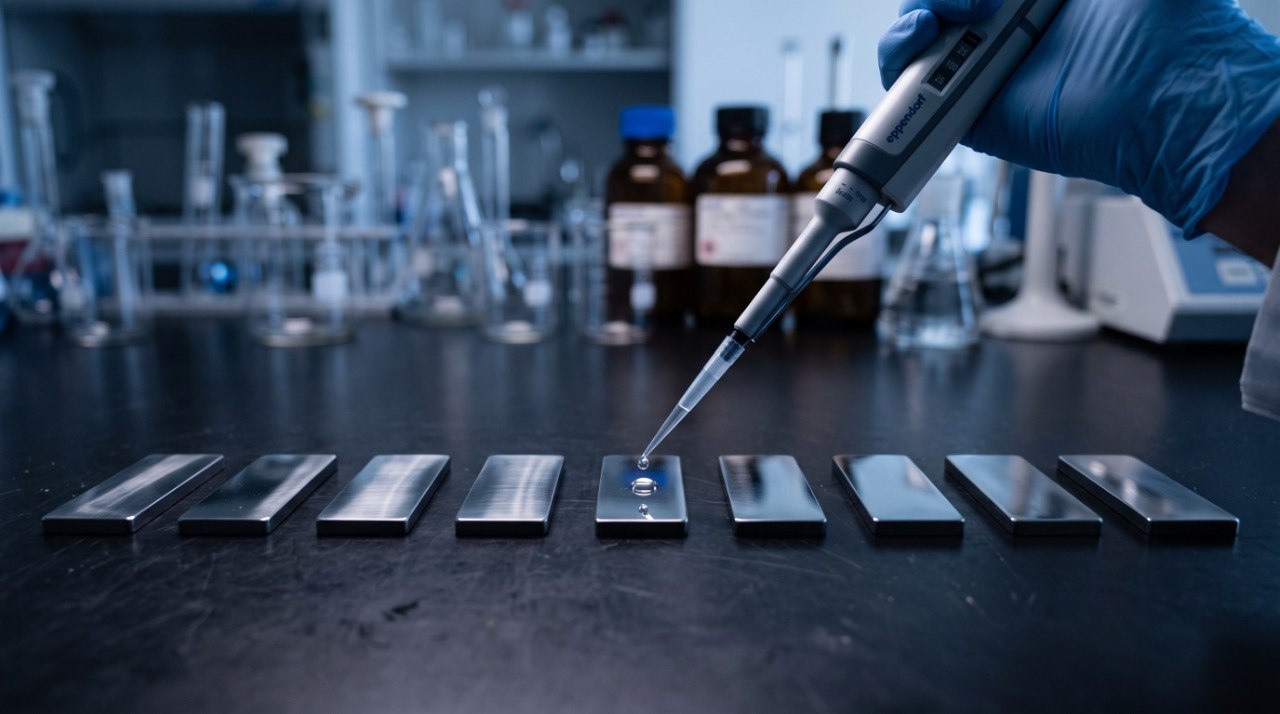
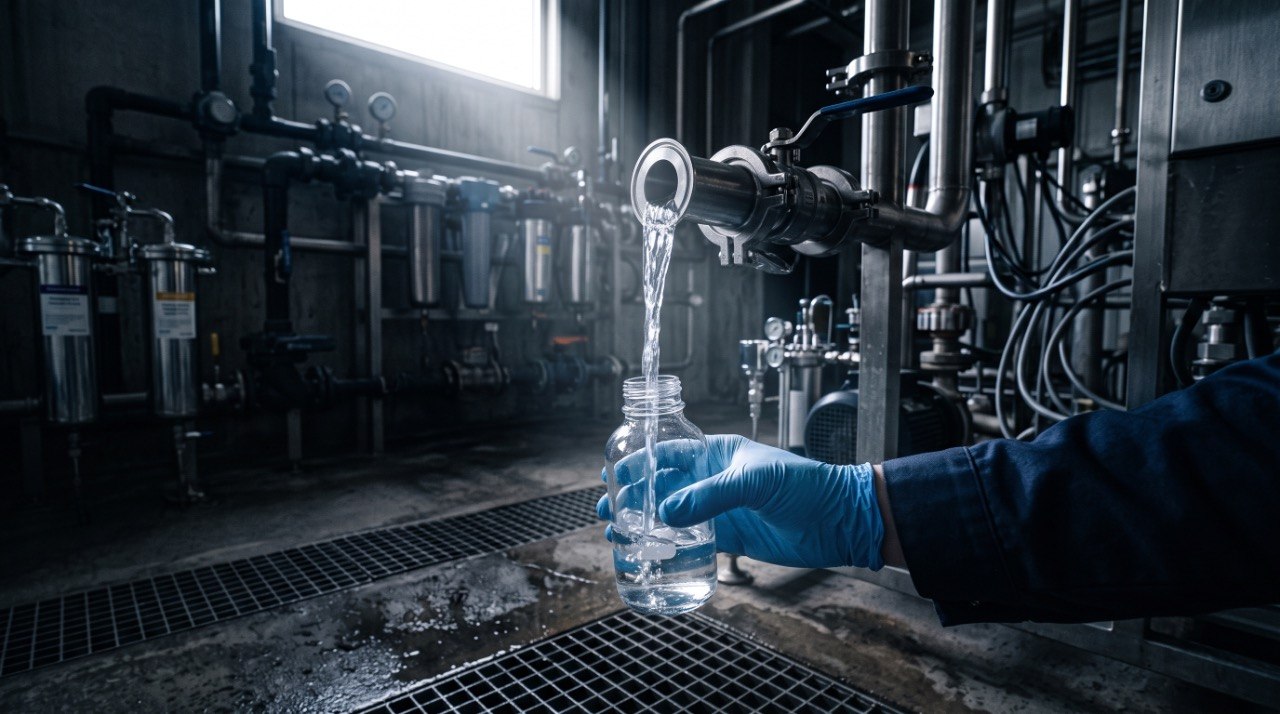
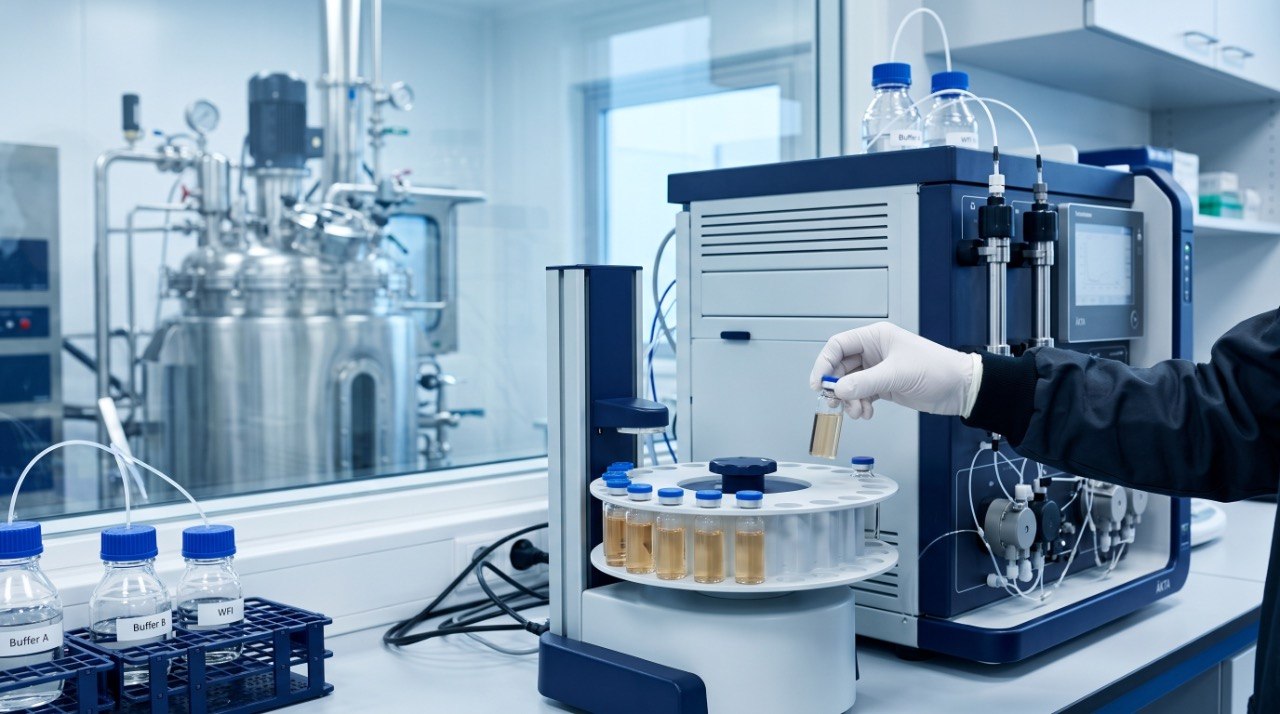
Editorial illustration for “HPLC, LC-MS/MS, TOC, UV or Visual Inspection? Choosing a Cleaning Validation Method by Risk”.

Deep Analysis

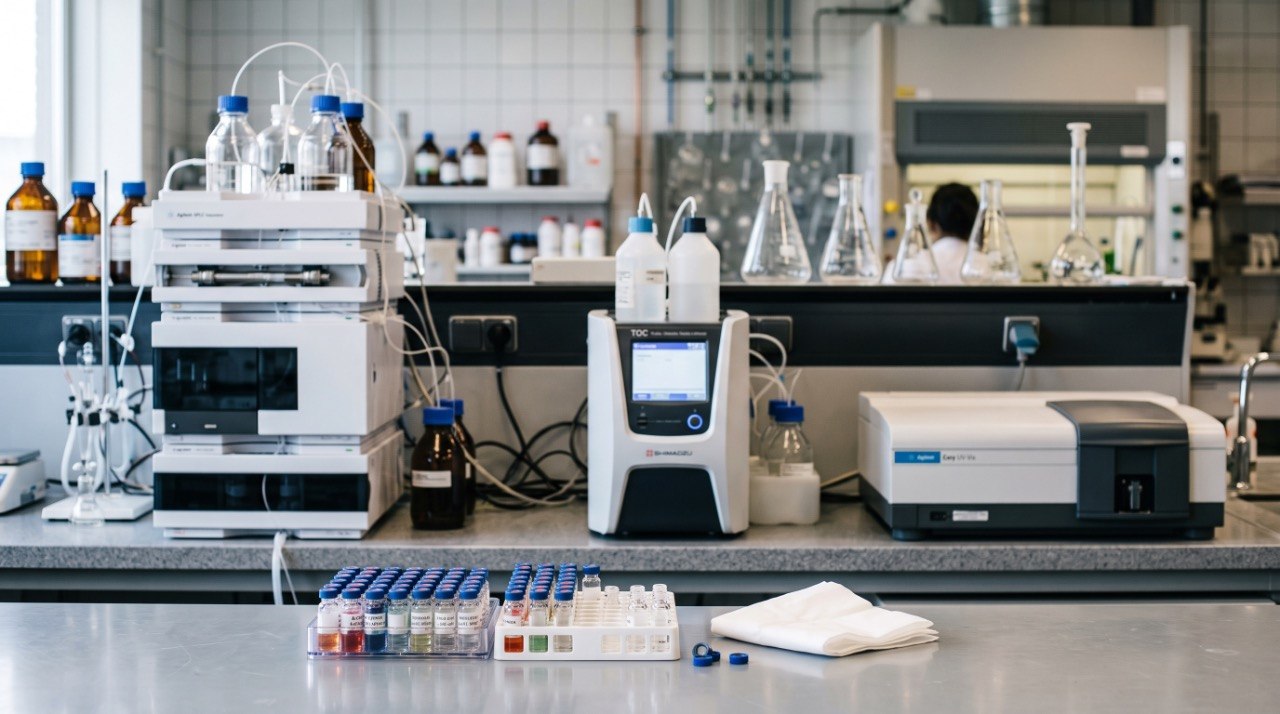
HPLC, LC-MS/MS, TOC, UV or Visual Inspection? Choosing a Cleaning Validation Method by Risk

The analytical method is not a laboratory preference — it is the part of the cleaning validation strategy that decides whether a limit is actually measurable. The useful question is not which technique is 'best' but which technique matches the residue, the acceptance limit, the sampling method and the surface. This analysis walks through the trade-offs using published recovery, detection and clearance data, and shows why a method chosen before the residue is characterised tends to fail at the limit rather than at the bench.

Source: 17 Sep 2026synthesis
Read the briefing
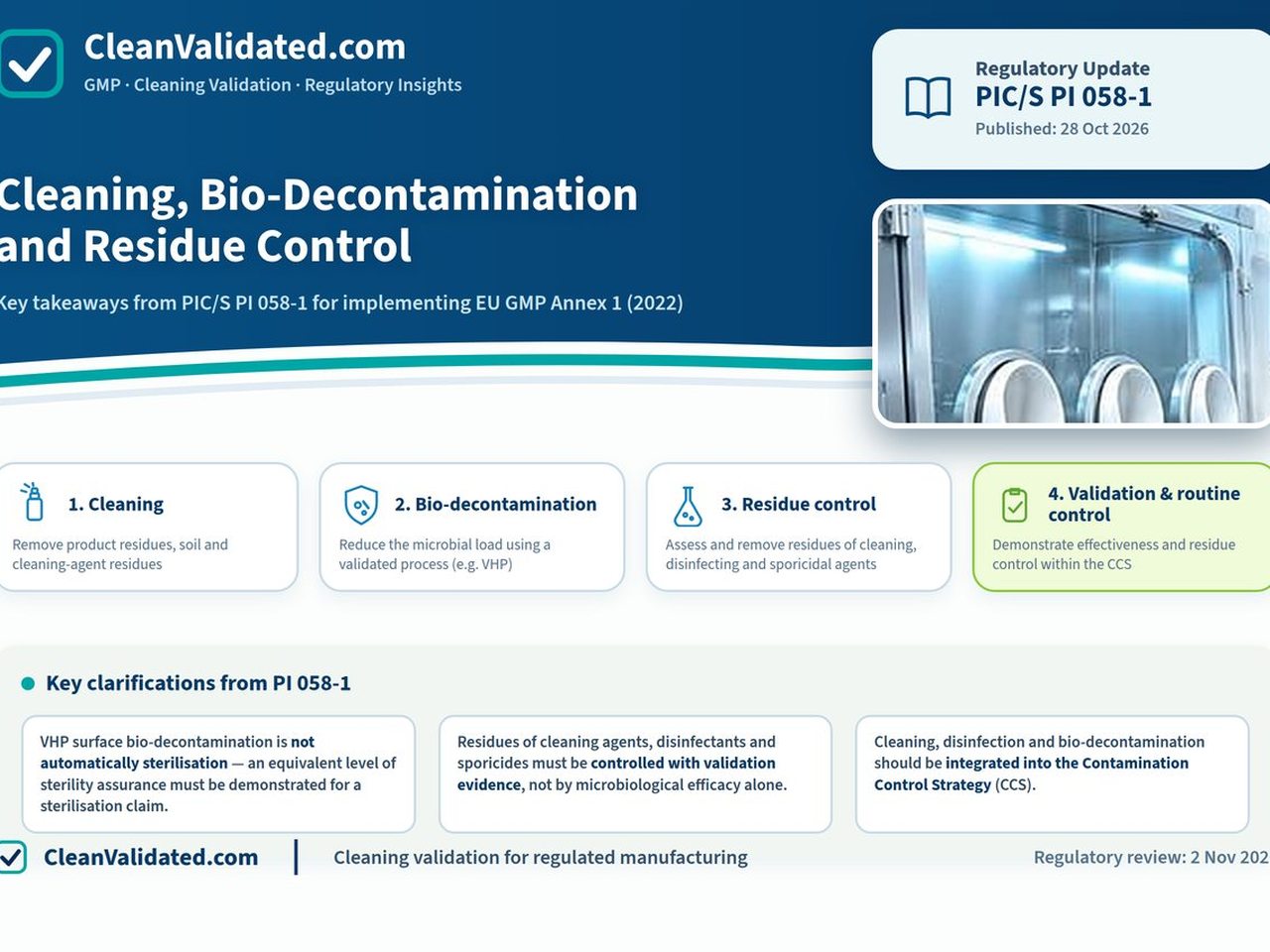
Editorial illustration for “PIC/S Publishes PI 006-4: A New Qualification and Validation Recommendation Takes Effect in October”.

Regulatory Watch

PIC/S Publishes PI 006-4: A New Qualification and Validation Recommendation Takes Effect in October

PIC/S has published PI 006-4, the revised Recommendations on Qualification and Validation, superseding the 2007 PI 006-3 and entering into force on 1 October 2026. Cleaning validation now occupies a full chapter, with HBEL-driven scope, explicit limits on visual inspection and a clear position against continued test-until-clean practice.

Source: 30 Jul 2026regulator publication
Read the briefing
Editorial illustration for “What FDA Has Been Citing in Cleaning Validation: The Recurring Themes of 2025–2026”.

Deep Analysis

What FDA Has Been Citing in Cleaning Validation: The Recurring Themes of 2025–2026

Twelve FDA warning letters issued between 3 December 2024 and 24 July 2026 cite cleaning and cross-contamination control. Read together rather than case by case, they stop looking like twelve incidents and start looking like one audit checklist: worst-case selection, hold times, recovery, MACO justification, visual-only strategies, sampling locations, change control and lifecycle management — in that order of frequency.

Source: 24 Jul 2026synthesis
Read the briefing
Editorial illustration

Inspection Watch

Can a Cleaning Validation Demonstrate Reproducibility If Every Run Samples Somewhere Different?

FDA's Warning Letter 320-26-43 to Cosmetic Manufacturers (Aust) Pty Ltd. states that the firm's cleaning validation protocol 'was not designed to demonstrate reproducibility'. The cause is a design flaw that is easy to copy by accident: each qualification run sampled a different set of locations, so the runs were never replicates of the same measurement.

Source: 6 Feb 2026fda warning letter
Read the briefing
Editorial illustration for “AI Enters Continued Cleaning Process Verification — but the Statistics Come First”.

Research Watch

AI Enters Continued Cleaning Process Verification — but the Statistics Come First

A January 2026 AAPS PharmSciTech paper proposes normalising every residue result to a percentage of its own specification limit, so that cleaning data from different products can finally be pooled, analysed non-parametrically and monitored as a Stage 3 capability index. The statistical argument is the substance; the AI framing is thinner than the title suggests.

Source: 26 Jan 2026peer reviewed study
Read the briefing
Editorial illustration for “Can Cleaning Be Monitored in Real Time? In-Line UV Moves Validation Closer to PAT”.

Technology Watch

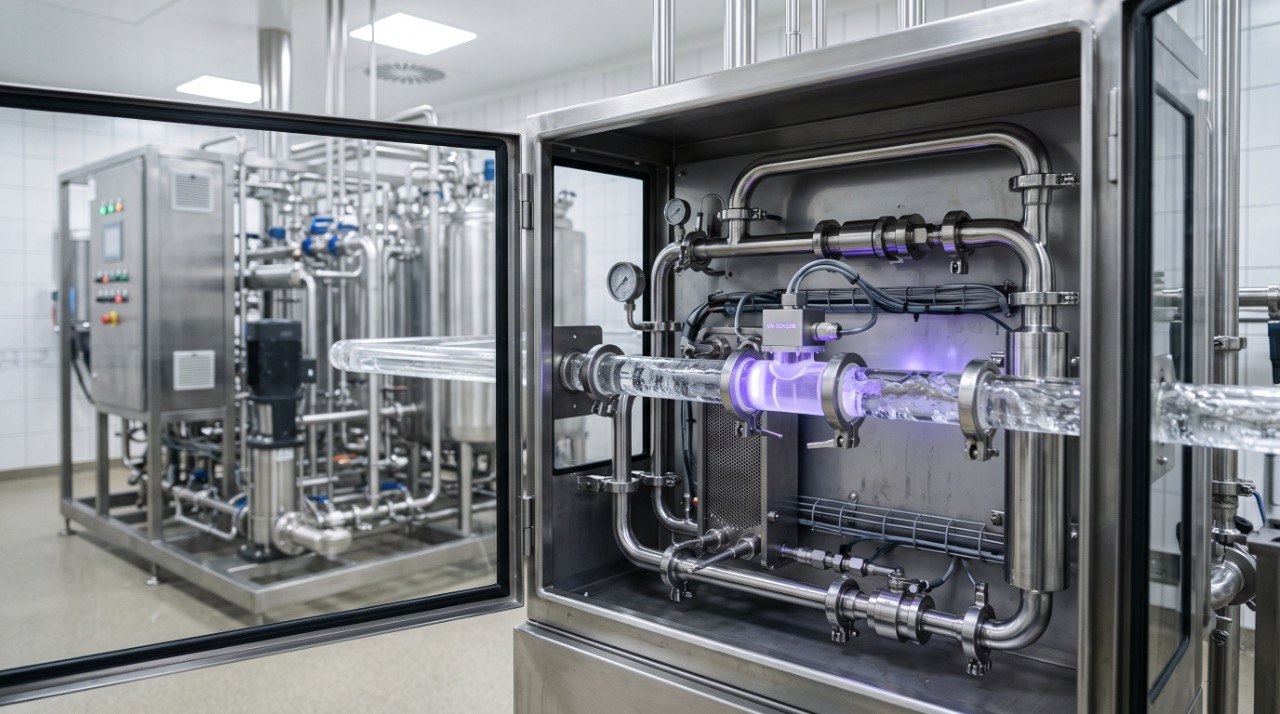
Can Cleaning Be Monitored in Real Time? In-Line UV Moves Validation Closer to PAT

A STERIS-authored article in Pharmaceutical Technology reports that in-line UV spectrometry at 220 nm can follow a biopharmaceutical cleaning cycle continuously, from heavily soiled rinse to baseline. The data are encouraging, the framing is vendor-supplied, and the distance between process monitoring and a release decision is where our own thinking has to do the work.

Source: 29 Jul 2025industry press
Read the briefing
Editorial illustration

Inspection Watch

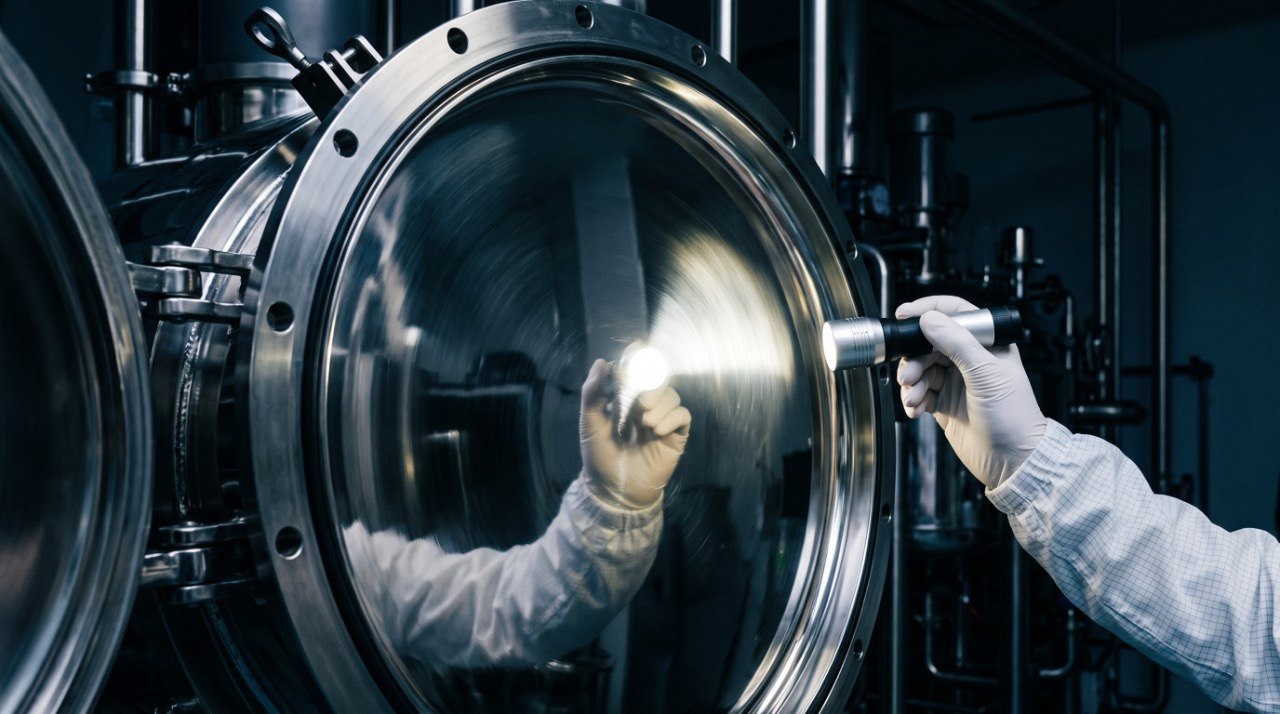
What Does 'Clean' Mean When Equipment Status and Physical Condition Disagree?

A March 2025 FDA warning letter to Aspen Biopharma Labs Private Limited records investigators finding manufacturing equipment labelled "Cleaned" while liquid with a floating substance or residue remained on product-contact surfaces. That gap between a status tag and physical reality is one of the most consequential — and most preventable — failures in cleaning validation.

Source: 5 Mar 2025fda warning letter
Read the briefing