The letter links equipment cleaning, drying and microbial contamination risk in sterile manufacturing.
What happened?
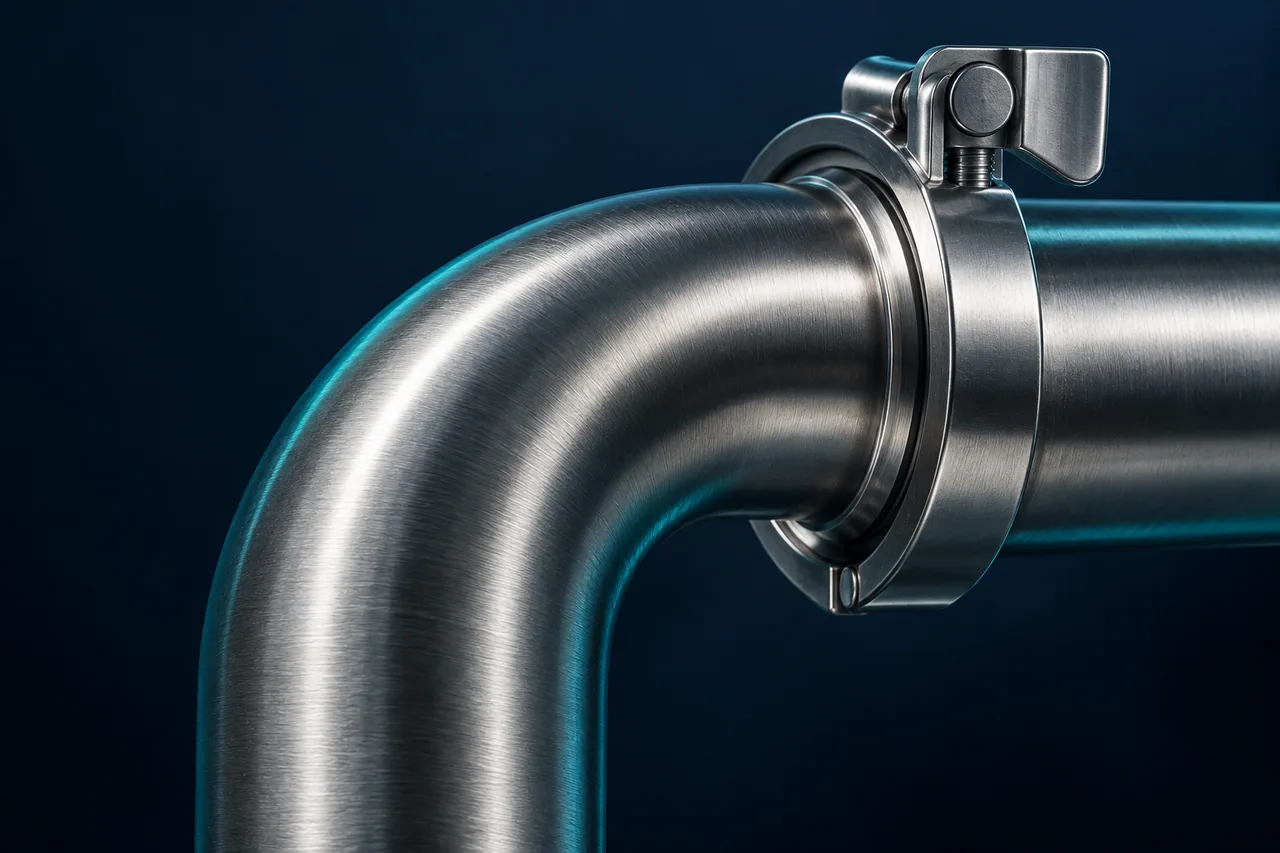
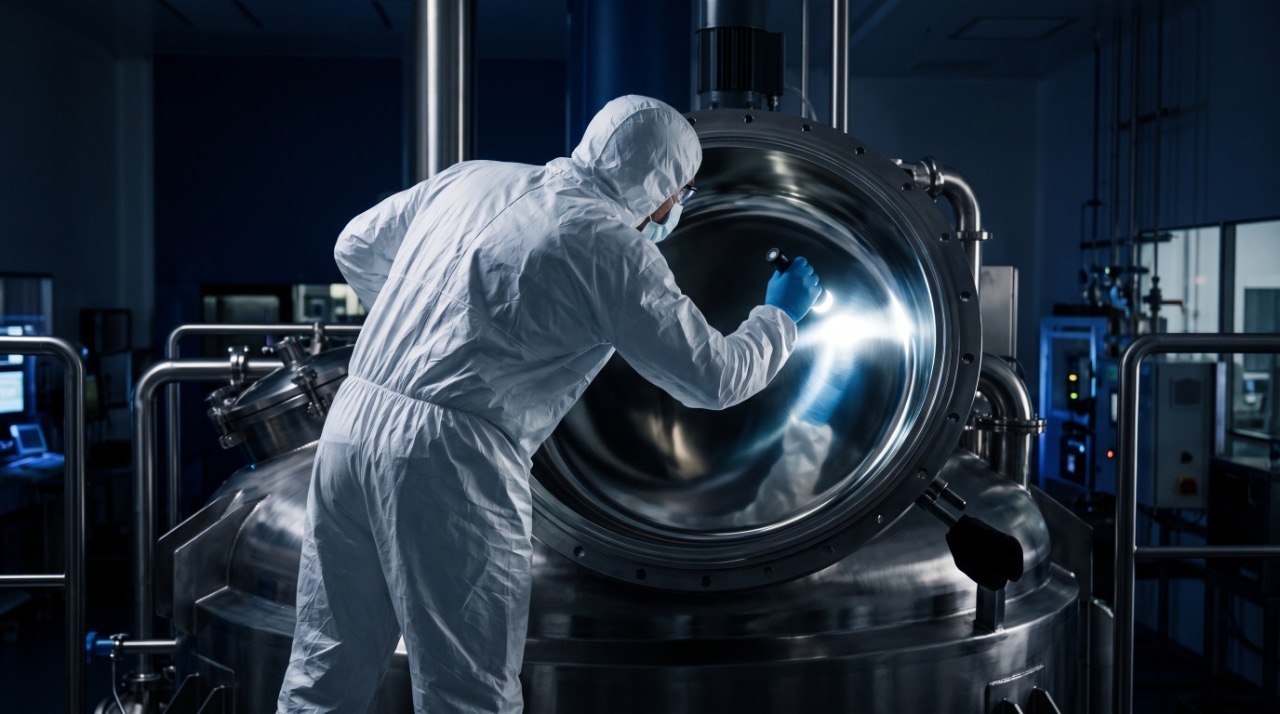
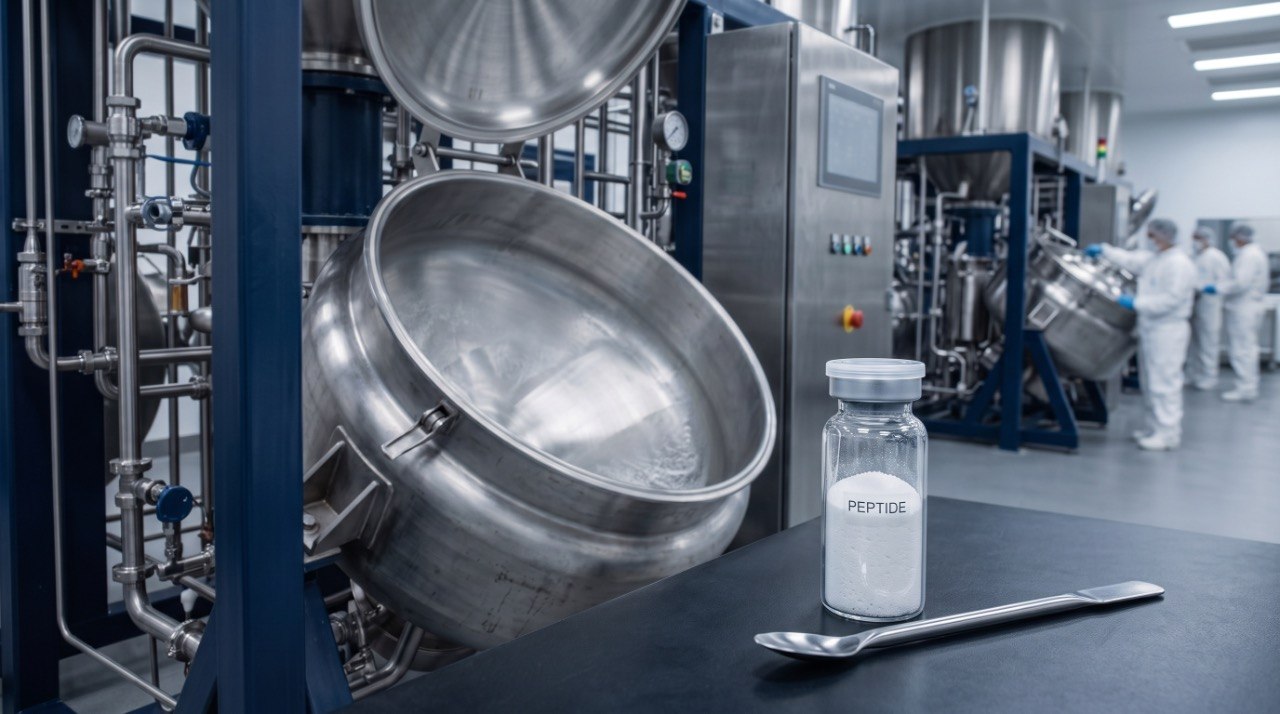
FDA requested an assessment of cleaning effectiveness and contamination risks associated with residual moisture, including equipment that could retain stagnant liquid between operations.
EDITORIAL INTERPRETATION
Why does it matter?
A programme focused only on chemical residues can overlook a separate question: what happens to equipment after cleaning and before reuse?
Key points
- Review post-cleaning drying conditions.
- Identify potential liquid-retention locations.
- Relate contamination trends to equipment design.
Practical impact
Discussion prompt: bring production, engineering and microbiology together around an equipment drawing and identify where a drying assumption needs evidence.
Related regulatory requirements
CV-REQ-000003
Define dirty and clean hold times ↗
CV-REQ-000007
Include microbial and endotoxin risk ↗
CV-REQ-000008
Define cleaning responsibilities ↗
CV-REQ-000009
Prepare a study protocol ↗
CV-REQ-000012
Control time before cleaning ↗
CV-REQ-000013
Document the validation conclusion ↗
CV-REQ-000015
Describe the cleaning study ↗
CV-REQ-000018
Monitor cleaning after validation ↗
CV-REQ-000019
Review the validated state ↗
CV-REQ-000024
Manage the cleaning lifecycle ↗
CV-REQ-000025