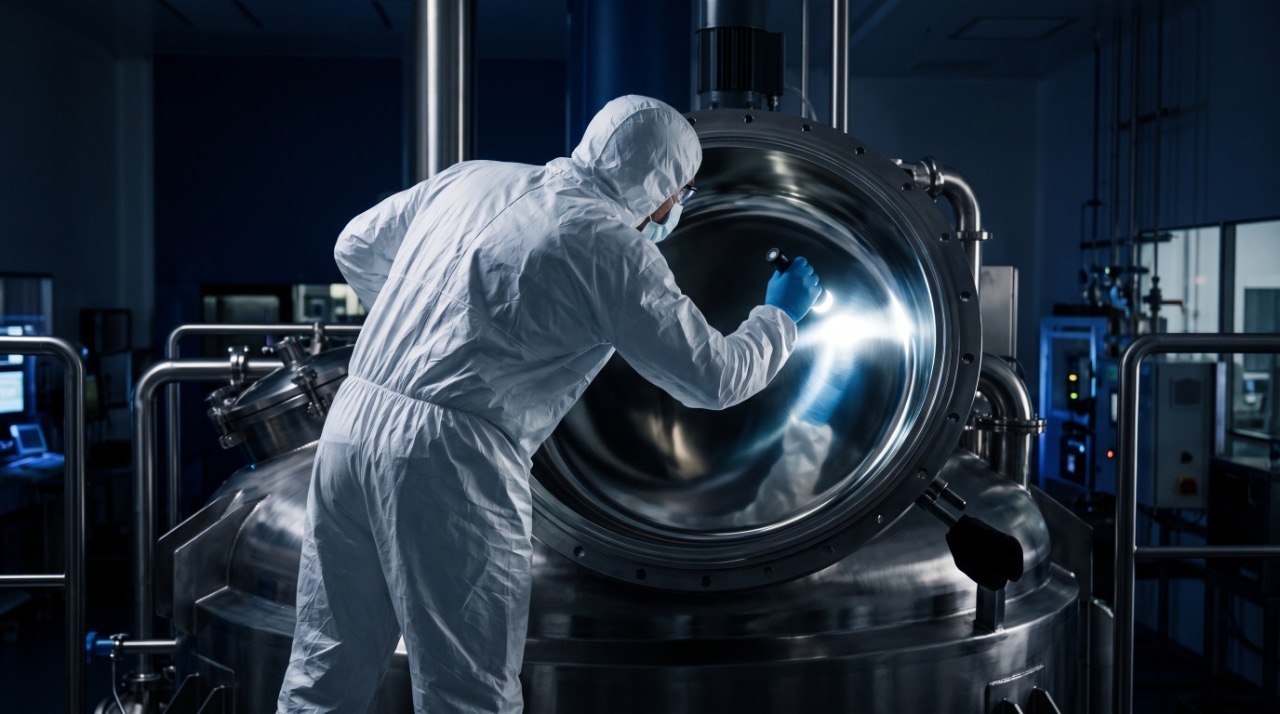
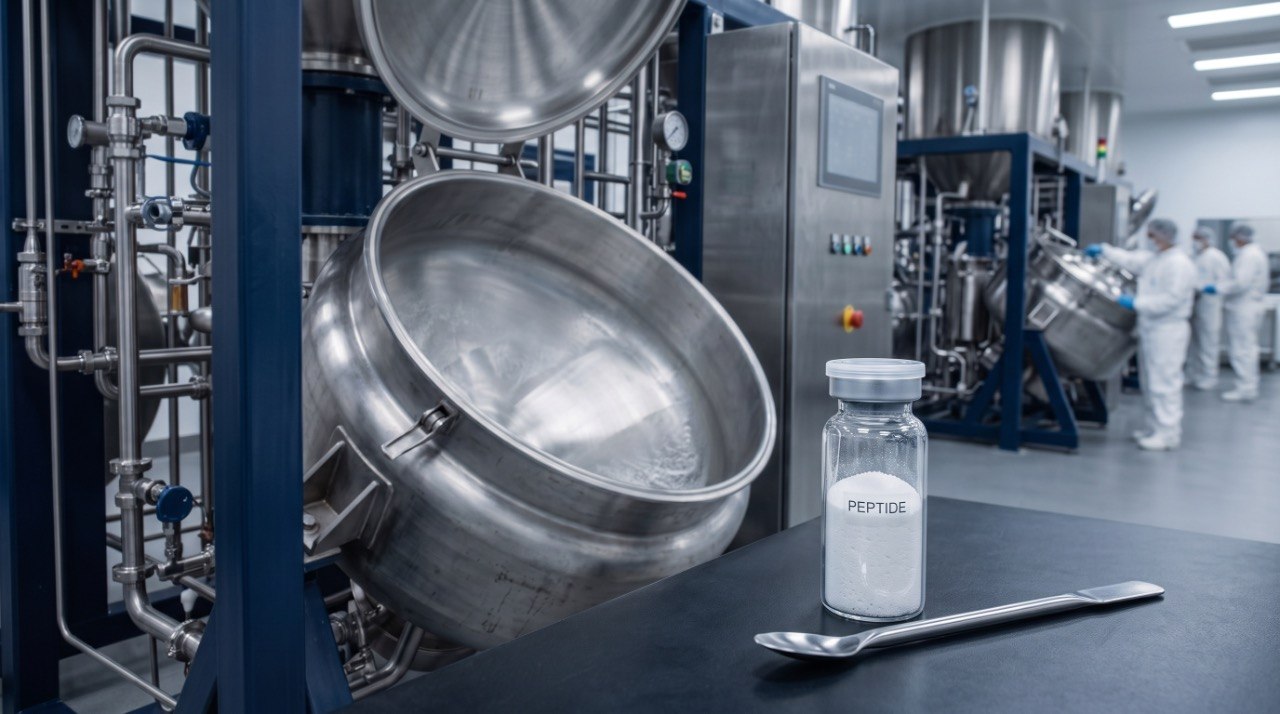
FDA connects unvalidated cleaning on shared equipment with interim measures and the assessment of distributed products.
What happened?
The 27 July 2026 letter describes a lack of cleaning validation for non-dedicated equipment. FDA found the response insufficient because interim plans and an assessment of distributed products were missing.
EDITORIAL INTERPRETATION
Why does it matter?
A future validation study does not, by itself, answer the separate question of how current and previously distributed batches are controlled.
Key points
- Define controls during remediation.
- Assess the scope of potentially affected products.
- Connect worst-case selection to equipment and process conditions.
Practical impact
Discussion prompt for QA: place the future study, interim controls and retrospective assessment on three separate lines in the action plan, each with an owner and evidence of completion.
Related regulatory requirements
CV-REQ-000003
Define dirty and clean hold times ↗
CV-REQ-000004
Support worst-case product selection ↗
CV-REQ-000006
Justify sampling locations ↗
CV-REQ-000007
Include microbial and endotoxin risk ↗
CV-REQ-000008
Define cleaning responsibilities ↗
CV-REQ-000009
Prepare a study protocol ↗
CV-REQ-000012
Control time before cleaning ↗
CV-REQ-000013
Document the validation conclusion ↗
CV-REQ-000014
Reflect actual equipment use ↗
CV-REQ-000015
Describe the cleaning study ↗
CV-REQ-000018
Monitor cleaning after validation ↗
CV-REQ-000019
Review the validated state ↗
CV-REQ-000020
Establish and reassess HBELs ↗
CV-REQ-000023
Justify the changeover control strategy ↗
CV-REQ-000024
Manage the cleaning lifecycle ↗
CV-REQ-000025
Address manual cleaning variability ↗
CV-REQ-000026
Assess new products before introduction ↗
CV-REQ-000029